The Mitreum Monument – a candidate for the UNESCO World Heritage List.
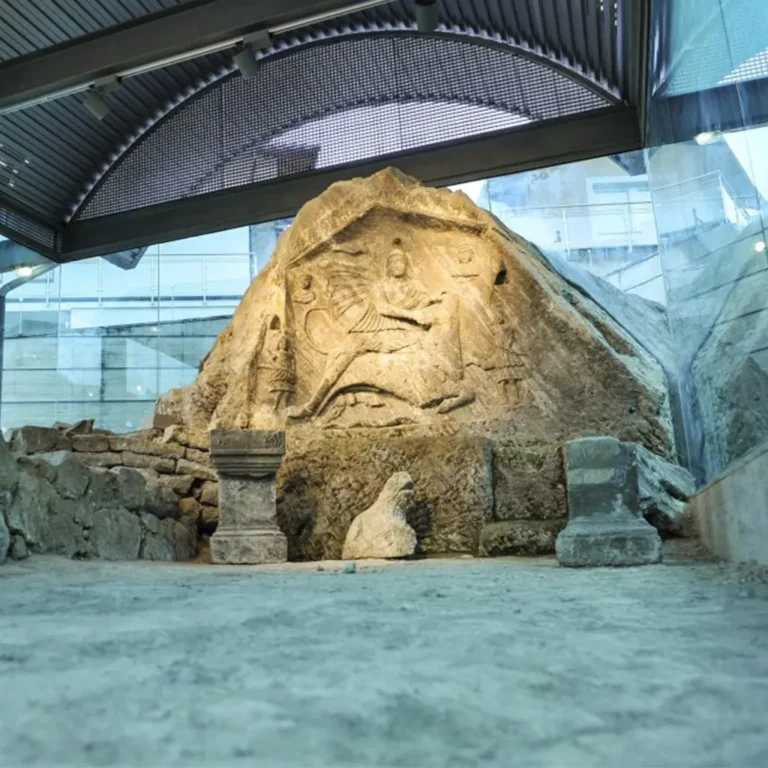
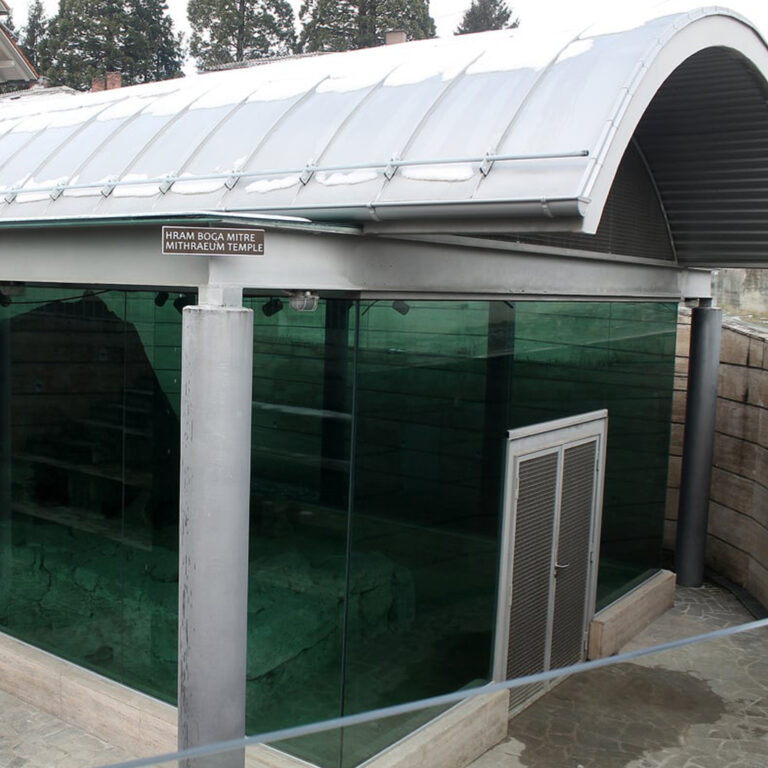
It is believed that the temple was built in the 3rd century and is considered one of the oldest and most valuable first-category monuments in Bosnia and Herzegovina. During this period, animal sacrifices were made to ensure a better harvest and, consequently, an easier life.
The altar figures symbolize such a scene: Mithras sacrifices a bull, assisted by a raven, a dog, a snake, and a scorpion.
Underground Church or Catacombs
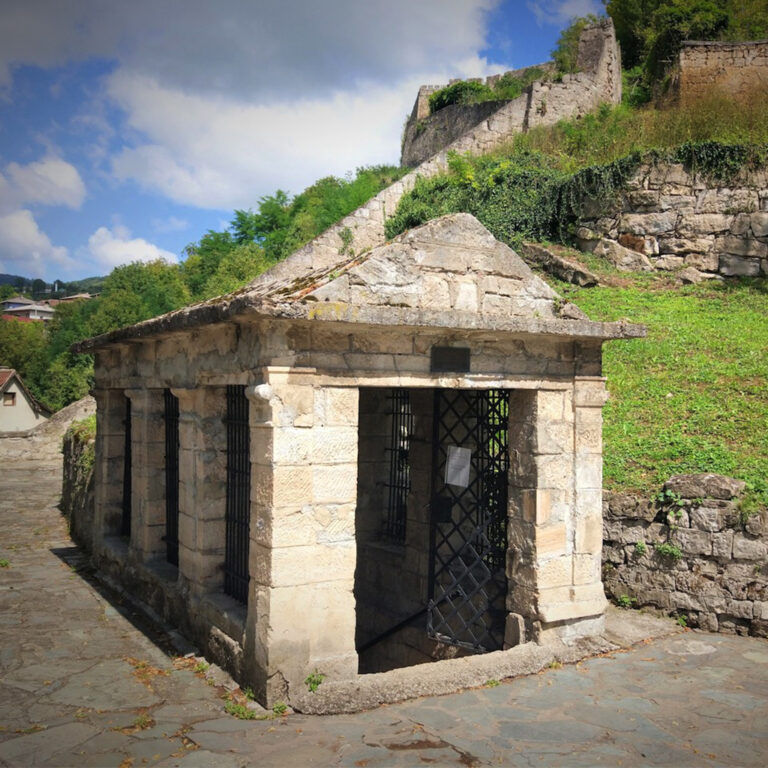
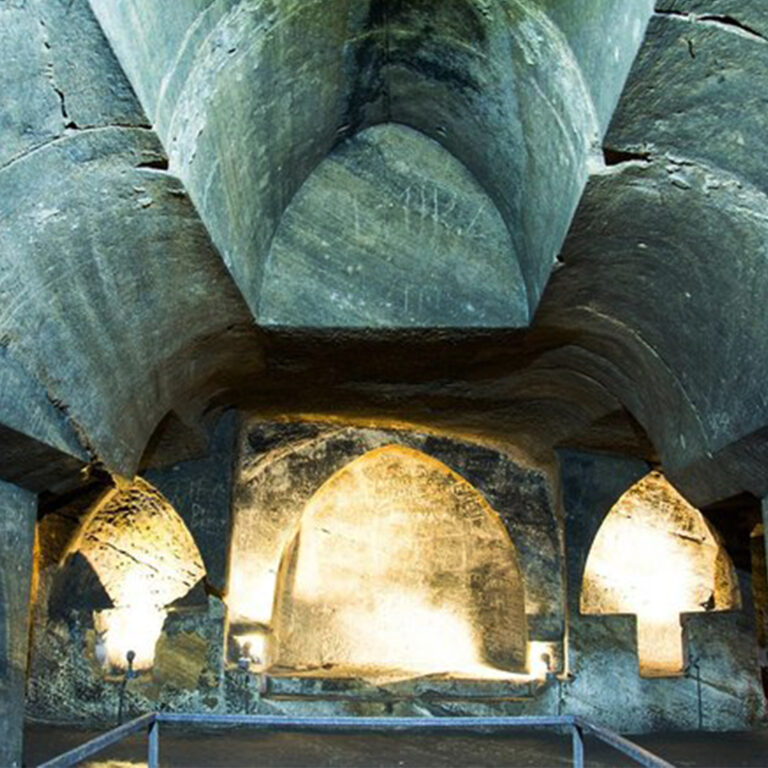
The underground church of Hrvoje V. Hrvatinić is an essential site on tourist routes. The church was intended to serve as a tomb for Hrvoje and his family, which is why it is referred to as a catacomb. Hrvoje V. Hrvatinić founded the town of Jajce near the Pliva River, naming the town himself.
At that time, he ruled a vast region within the Bosnian Kingdom – from the Župa of Pliva to the Župa of Lašva. He was granted authority directly by the Bosnian King Tvrtko II Kotromanić, which demonstrates Hrvoje’s political influence and power.
This monument is also a candidate for the UNESCO list.
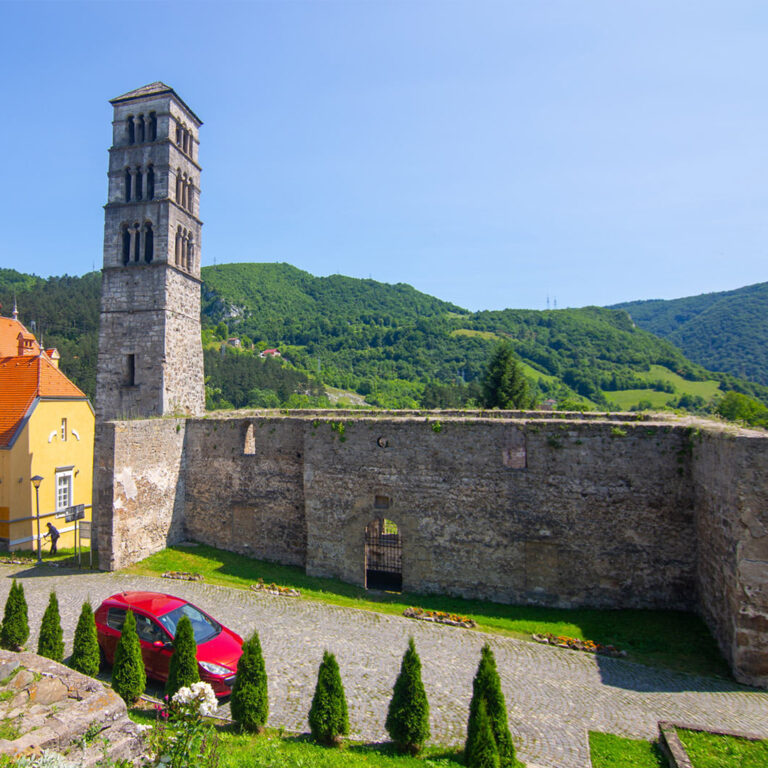
Church of St. Mary and Bell Tower of St. Luke
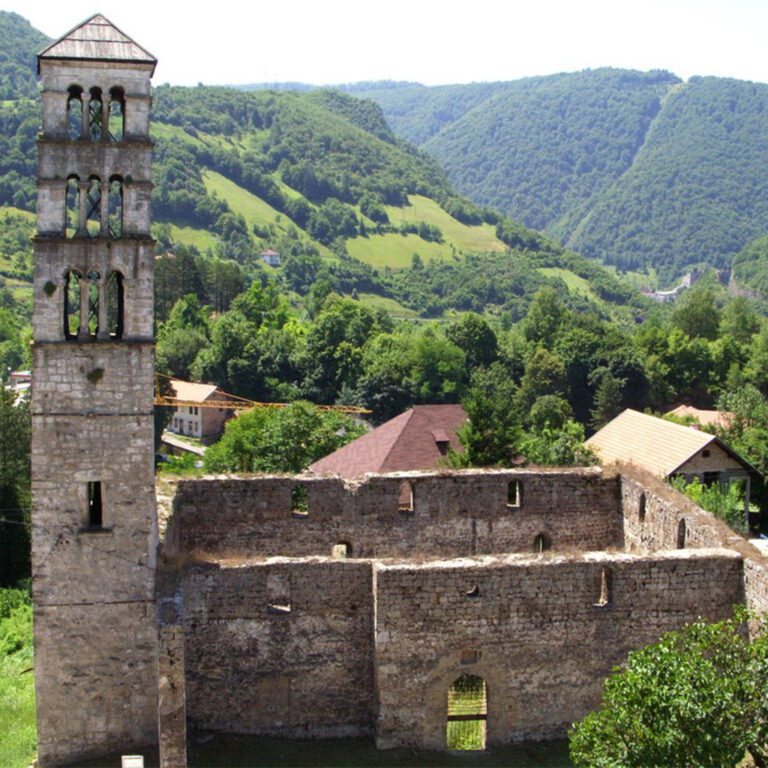
The church was built in the 12th century but gained significant historical importance in the 15th century. It was the site of the wedding between Stjepan Tomašević, later the last Bosnian king, and Jelena Branković, a princess from Raška (present-day Serbia). Through this union, the two kingdoms were connected in an effort to defend against the Ottoman invasion.
Two years later, in 1461, the church hosted the coronation of the last Bosnian king. As a gift to her future husband, Jelena Branković brought relics of St. Luke, prompting the construction of the Bell Tower of St. Luke. Today, this bell tower is the only preserved example of a medieval bell tower in the continental Balkans.
Fortress
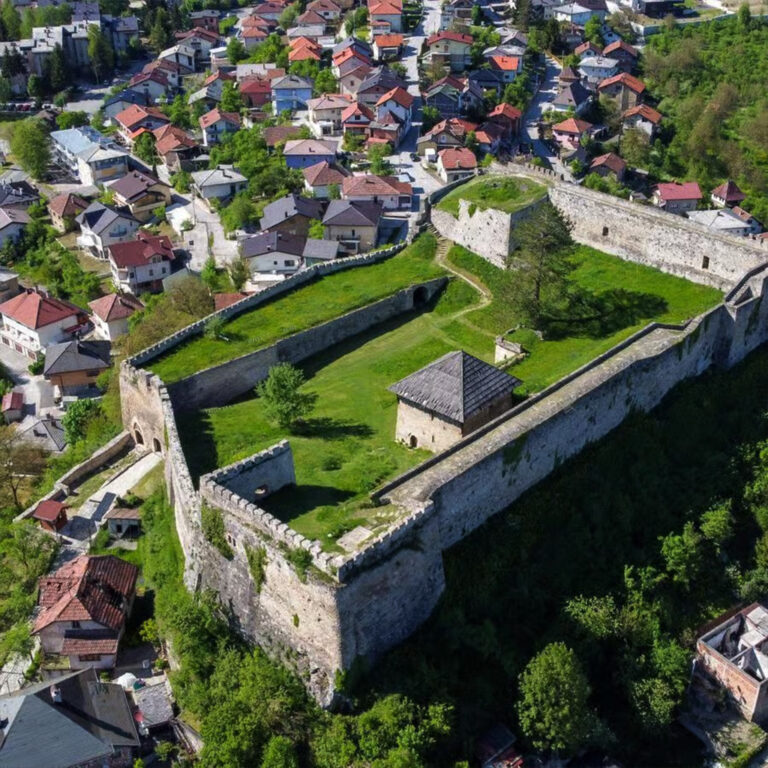
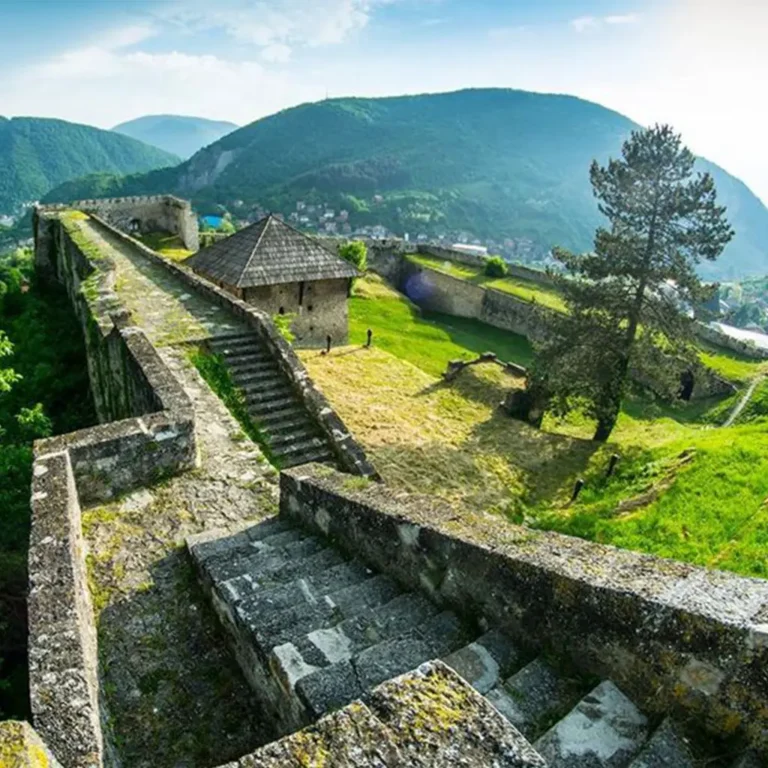
The Jajce Fortress, with its defensive walls and bastions, was built by Hrvoje V. Hrvatinić in the 14th century and later expanded during the Ottoman period. The fortress was modeled after the Neapolitan fort “Castel dell’Ovo” (which means “Egg Castle”).
A renowned historian from Jajce drew a connection between this name and the naming of the town itself – “Jajce” meaning “little egg”.
Esma Sultanija Mosque
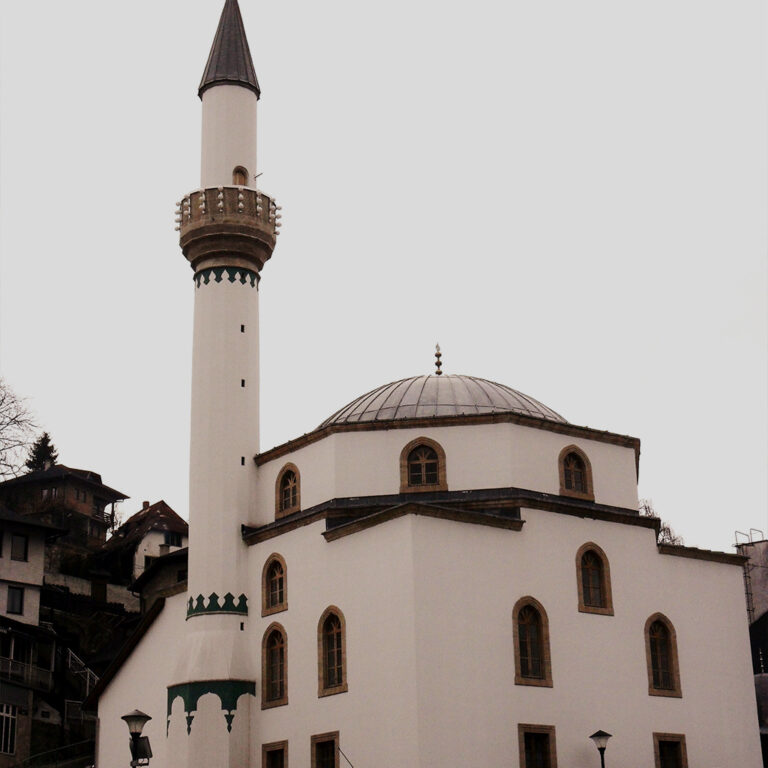
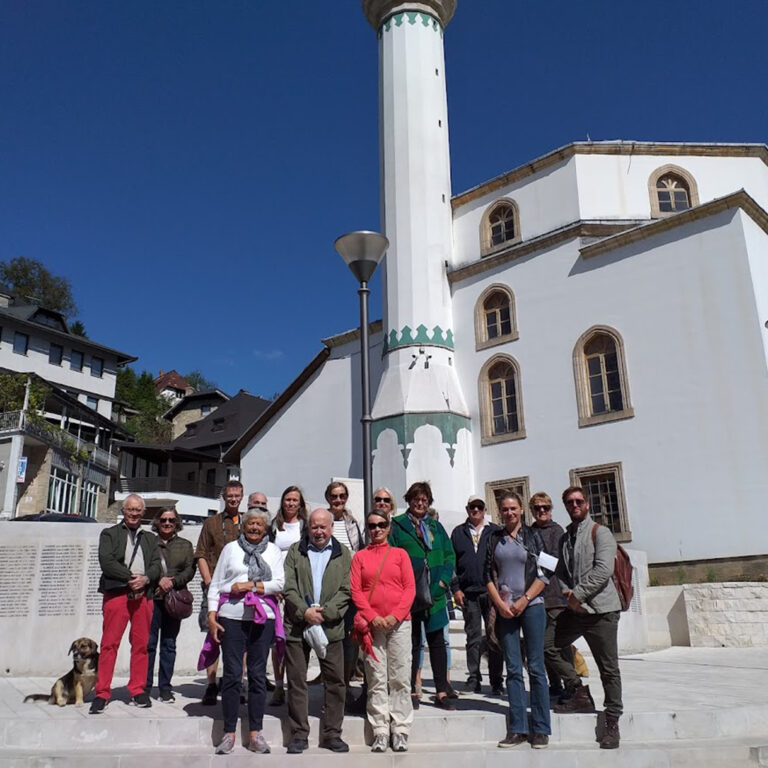
This 18th-century mosque tells the story of the young sultana Esma who, praying for healing from a severe illness, vowed to build a mosque in Jajce. Unfortunately, she passed away before its completion.
However, the mosque remained one of the few, and possibly the only, in Europe named after a woman.
Museum of the 2nd AVNOJ Session
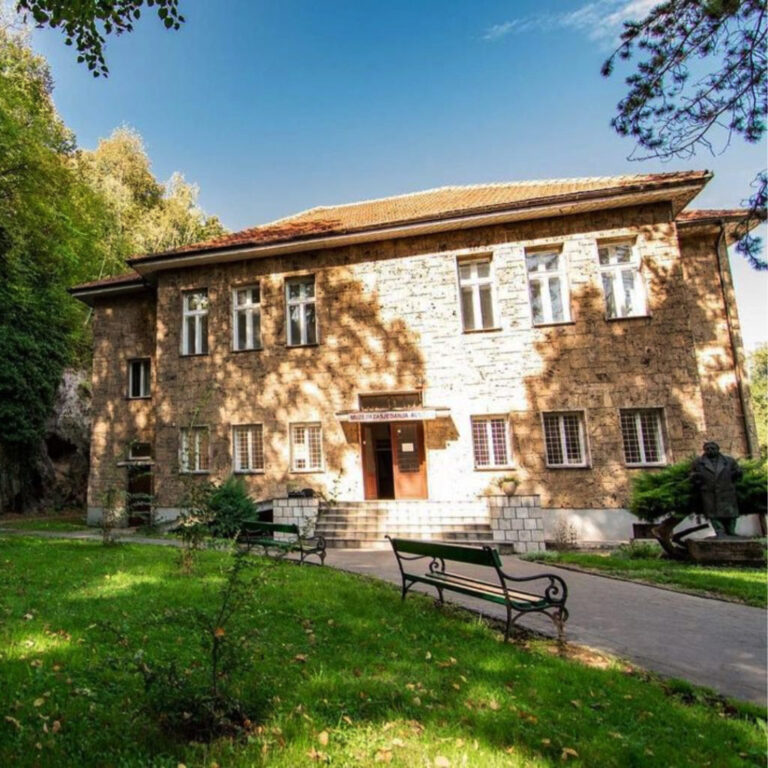
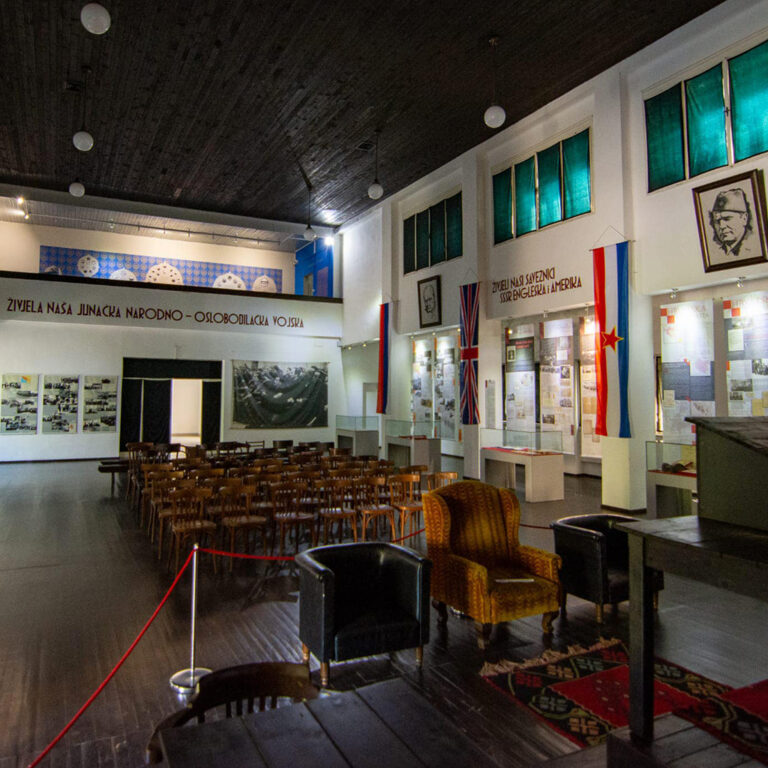
Originally a youth center known as the Sokol House, this building was used during World War II for the 2nd Session of AVNOJ (Anti-Fascist Council for the National Liberation of Yugoslavia).
Of the three AVNOJ sessions, the second—held on November 29 and 30, 1943—was the most significant, as it produced key decisions in the creation of the Republic. It can rightfully be said that the Yugoslav Republic was "born" in this building.
Waterfall
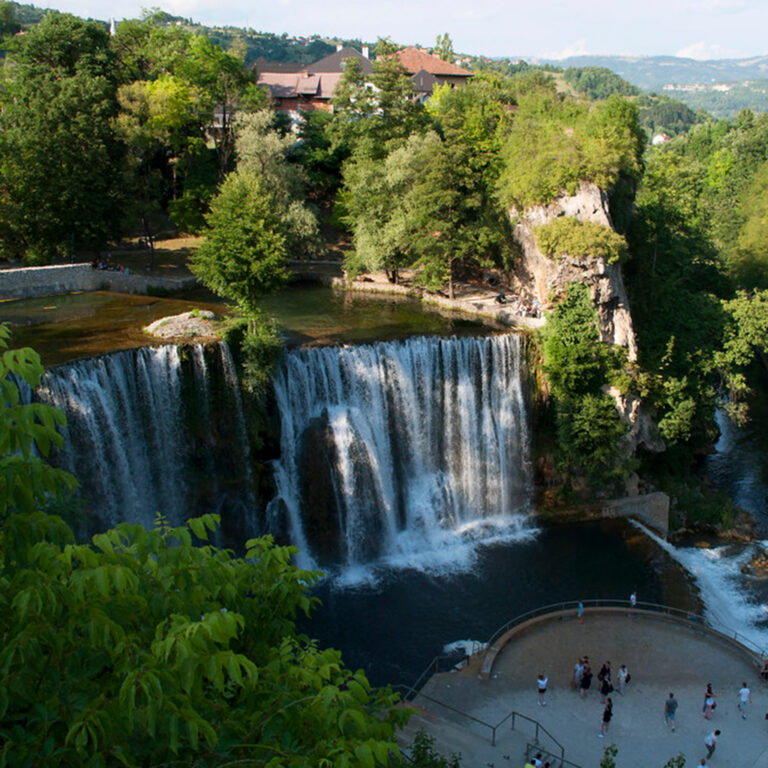
The symbol and greatest natural beauty of Jajce is its waterfall, located in the very center of the town. It also marks the confluence of two rivers: the Pliva River cascades 17 meters down a tufa rock into the Vrbas River.
In recent years, traditional diving events have been held at the waterfall.
Mlinčići (Water Mills)
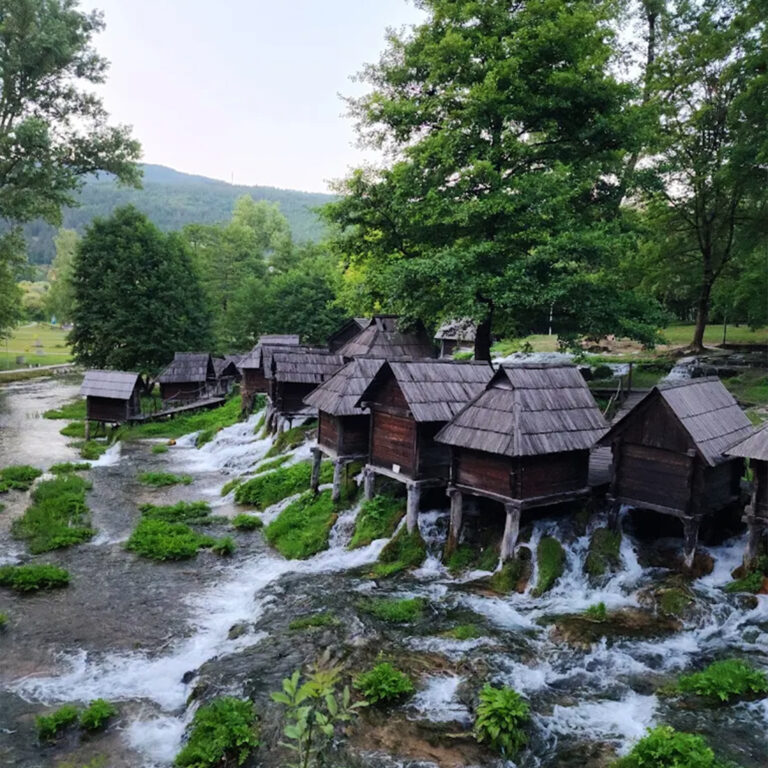
These traditional wooden mills, known as Mlinčići, reflect the lifestyle of the people over 400 years ago. Using the power of the Pliva River, the inhabitants of Jajce built mills along its banks to grind wheat and other grains.
The mills, now listed as cultural and historical monuments of Bosnia and Herzegovina, are located on a tufa barrier between the Small and Large Pliva Lakes.
The idyllic location and surrounding greenery make this a magical and must-see spot for tourists.